The lineage of the lab.
A community of evolutionary biologists, from undergraduates to postdocs, bound by curiosity about how the diversity of life came to be.
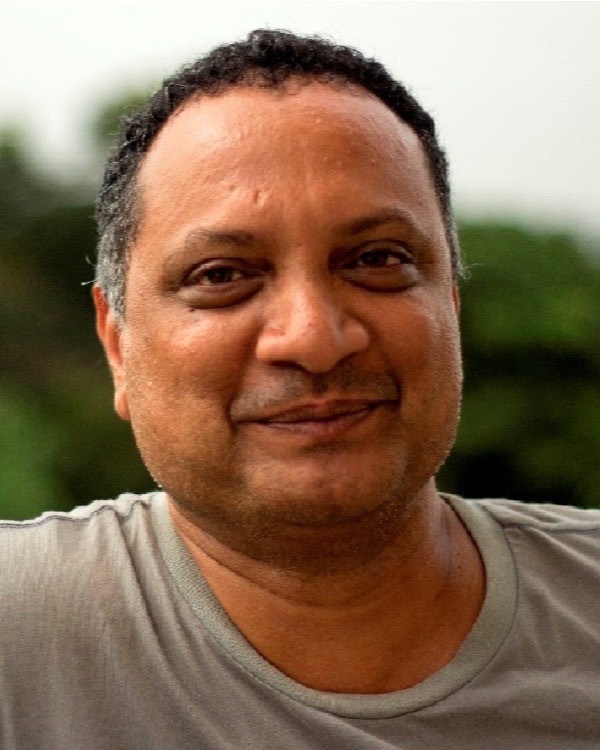
Dr. Praveen Karanth
Professor · Centre for Ecological Sciences, IISc
I'm a phylogenetic biologist, and I lead the Evolving Phylo-Lab at the Centre for Ecological Sciences, IISc. I use molecular phylogenies to read the deep history of life, studying genetic variation both within species (population genetics and phylogeography) and among species (phylogenetics) to address questions in ecology, evolution, behaviour and conservation.
Much of our work asks how the Indian subcontinent's geological and climatic history shaped its biodiversity. We pursue molecular systematics, biogeography, diversification, and population and conservation genetics across a range of South Asian study systems (langurs, geckos, butterflies, tarantulas and centipedes among them), combining molecular, morphological, behavioural and ecological data to delimit species, uncover cryptic diversity and trace how lineages diversify.
- Book
- Molecular Phylogenetics: Building Evolutionary Trees using DNA Sequence Data (Springer Nature Singapore, 2026)
- Courses offered
- Evolutionary Biology (EC304); Advanced Methods in Molecular Phylogenetics (EC201)
- Education
- Postdoctoral research: Yale University (2002–2005); State University of New York at Albany (2002); University of Haifa (2000–2001)PhD in Ecology, Evolution & Behaviour, State University of New York at Albany (1994–2000)BSc in Agriculture, University of Agricultural Sciences, Bangalore (1989–1993)
- Professional experience
- Professor, Centre for Ecological Sciences, IISc (2018–present)Associate Professor, Centre for Ecological Sciences, IISc (2011–2018)Assistant Professor, Centre for Ecological Sciences, IISc (2005–2011)
- Professional contributions
Editorial board member
Journal of Genetics (2007–2017)Frontiers of Biogeography (2021–present)Journal of Molecular Evolution (2024–present)Professional service
Member, IUCN/SSC Primate Specialist Group (2009–2012)Organizing committee, International Biogeography Society off-year meeting, Bangalore (2017)Resource person
School of Herpetology (2012–2015)Students Conference in Conservation Science (2013–2016)Organizer, Workshop on Molecular Phylogenetics
Centre for Ecological Sciences, IISc (2011–2019)Mizoram University (2010, 2012)Centre for Marine Living Resources & Ecology, Kochi (2019, 2026)Centre for Cellular and Molecular Biology, Hyderabad (2023)University of Hyderabad, Hyderabad (2024)Ashoka Trust for Research in Ecology & the Environment, Bangalore (2025)Jain University, Bangalore (2026)
Graduate students
05 members
Ashika Dhimal
PhD student
Hybridization between golden langurs and capped langurs in Bhutan.
Aarthi R
PhD student
Phylogeny, biogeography and population genetics of blindsnakes.
Madhura Agashe
PhD student
Biogeographic history and diversification of Hemidactylus geckos.
Radhika Dutt
PhD student
Phytogeography of the tropical pioneer genera Macaranga and Mallotus.
Navaneel Sarangi
PhD student
Biogeography and subterranean evolution of cave-dwelling species across India.
Master's students
01 member
Srikant Rajan
Master's student
Evolution of cave-dwelling organisms in the unique cave systems of Meghalaya.
Research fellows
02 members
Abhinya P
Research fellow
DNA metabarcoding to understand the diet of harriers.
Aditya Pradhan
Research fellow
The genetic basis of coat colour in golden and capped langurs.
Visiting researchers
03 members
Aswathy S
Visiting scholar
Systematics, phylogenetics and ecology of mygalomorph spiders in the southern Western Ghats.
R. Chaitanya
Visiting scholar
Software engineer-turned-biologist, interested in understanding how biodiversity has assembled in space and over time.
Tanisha
Visiting scholar
Alumni
Former members of the labPost-doctoral fellows09 members
Azhar Rashid Lone
Studied the molecular phylogenetics and population genetics of Indian earthworms (Metagynophora: Crassiclitellata), describing nine species new to science. His broader interests span the biodiversity, evolution and biogeography of annelids, particularly oligochaetes.
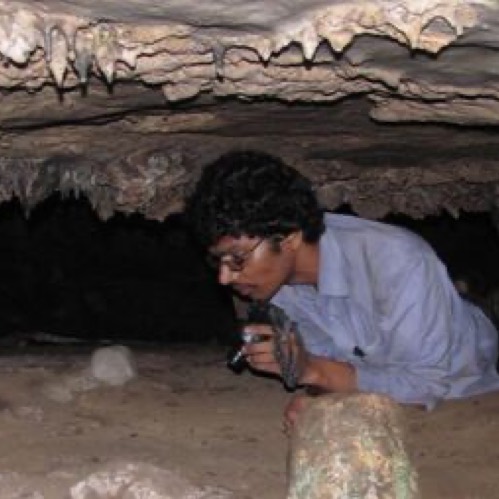
Shabuddin Shaik
Explored India's subterranean fauna, using the obligate cave-dwelling crustacean order Bathynellacea as a model to test the Gondwanan-origin hypothesis through molecular phylogenetics. Has described around 40 novel taxa, including 25 species and five genera, from subterranean habitats.
Raja Kullayi Swamy
Now: Chief Scientist, Dharmavana Nature Ark, Hyderabad
Worked on the taxonomy and phylogeny of the genus Phyllanthus s.l. (Phyllanthaceae) in India, resolving relationships across its constituent genera using morphology and plastid (matK) and nuclear (PHYC) markers, and using the phylogeny to interpret the group's biogeography.
Aniruddha Datta Roy
Now: Associate Professor, NISER, Bhubaneswar
Used molecular phylogenetics to study the systematics and biogeography of the endemic skinks (Scincidae) of the Western Ghats, asking why India harbours so many endemic skink species, where they came from, and what restricts them to their habitats.
Jyotsana Dixit
Now: Senior Medical Writer, SIRO Medical Writing Pvt Ltd
Investigated the Plasmodium malaria parasites of India's wild macaques: which species circulate in these populations, and how they relate phylogenetically to human malaria parasites. Earlier worked on the population structure of the malaria vector Anopheles minimus in northeast India.
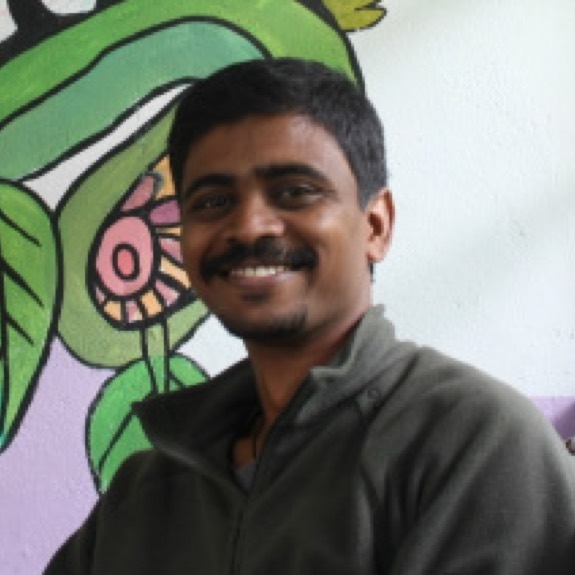
Deepak Veerappan
Worked on the phylogeography and molecular systematics of fan-throated lizards (genus Sitana) across the dry zones of the Indian subcontinent, resolving how many species the Sitana ponticeriana complex contains, how they are related, and what limits their distributions.
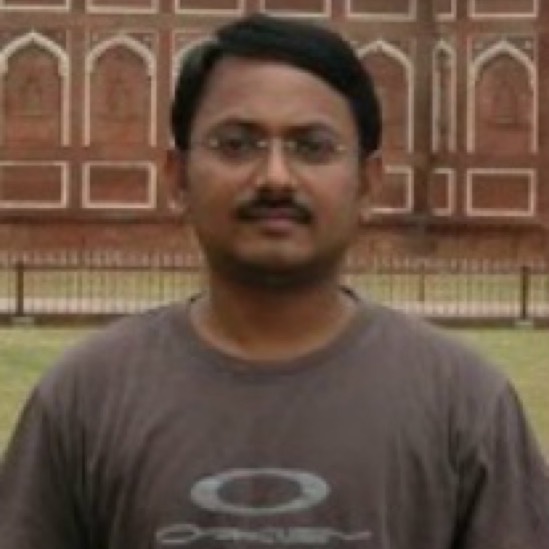
Siddharthan Surveswaran
Now: Associate Professor, University of Hyderabad
Focused on the molecular phylogenetics of the subfamily Asclepiadoideae (Apocynaceae), showing the Indian Ceropegia (lantern flowers) to be a Western Ghats radiation within which Brachystelma is nested, and studying the origin and biogeography of the tribe Ceropegieae.
K. A. Subramaniyan
Now: Scientist, ZSI, Chennai
Studied the evolution and diversification of stream-insect communities of the Western Ghats, combining systematics, community ecology and molecular phylogeny, with a focus on the endemic dragonflies and damselflies (Odonata) and the impact of riparian land use.
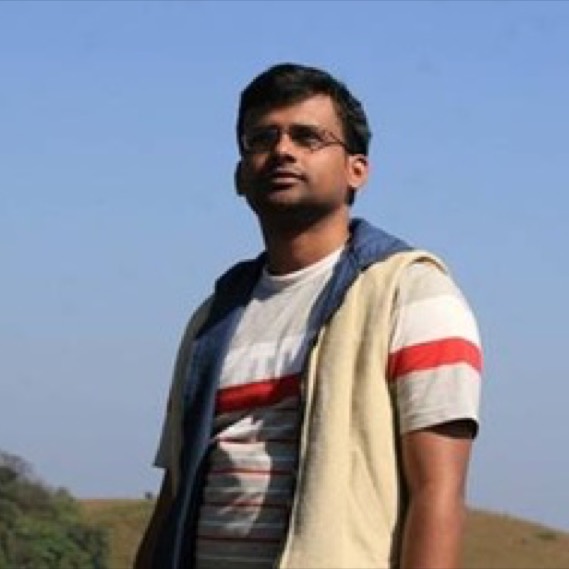
N. I. P. Das
Now: Scientist, IGCAR, Kalpakkam
Worked on the evolution and diversification of Indian tarantulas, using the large burrowing Thrigmopoeinae (disjunctly distributed between the Western Ghats and northeast India) as a model to resolve their biogeography through molecular phylogenetics. Broader interests span the systematics of Indian arachnids.
Graduate students10 members
Ananya Jana
Now: Senior Scientist, Computational Biology, Aganitha AI
Studied the population structure of the endemic blackbuck (Antilope cervicapra) within and between populations across India, and its implications for the species' long-term survival.
Chinta Sidharthan
Now: Senior Analyst and Scientific Writer, Strand Life Sciences
Explored the biogeography of India's blindsnakes (Typhlopoidea), deciphering the biogeographic origins of the four typhlopoid genera found in India and the origins of the widespread Indotyphlops braminus.
Maitreya Sil
Now: Assistant Professor, Jain University
Worked on the evolutionary origins of the apple-snail genus Pila and the biogeography of the family Viviparidae, including the role of Pleistocene glaciation in shaping viviparid phylogeography across the Indian subcontinent.
Divya B.
Studied the phytogeography of the Western Ghats from a phylogenetic perspective.
Aparna Lajmi
Now: Assistant Professor, Gitam University, Vishakhapatnam
Studied patterns of species and morphological diversification in Hemidactylus geckos, and niche diversification across the larger tropical Asian clade.
Ishan Agarwal
Now: Scientist, Thackeray Wildlife Foundation
Worked on the biogeography, diversification and systematics of the gecko genus Geckoella (Gekkonidae); at CES from 2008.
Sandhya Sheker
Now: Programme Director, Mongabay
Studied dispersal in butterflies, combining meta-analysis with population-genetic work on Melanitis leda, Ypthima baldus, Heteropsis oculus and Mycalesis patnia.
Rohini Bansal
Now: Entrepreneur, Bionest UDSC
Worked on the phylogeny and biogeography of Indian Hemidactylus geckos, focusing on their colonisation history and on phylogeography in relation to human-mediated gene flow.
Jahnavi Joshi
Now: Associate Professor, CCMB, Hyderabad
Resolved the molecular phylogeny and biogeography of the centipede family Scolopendridae, with a focus on the phylogeographic patterns of six endemic Digitipes species.
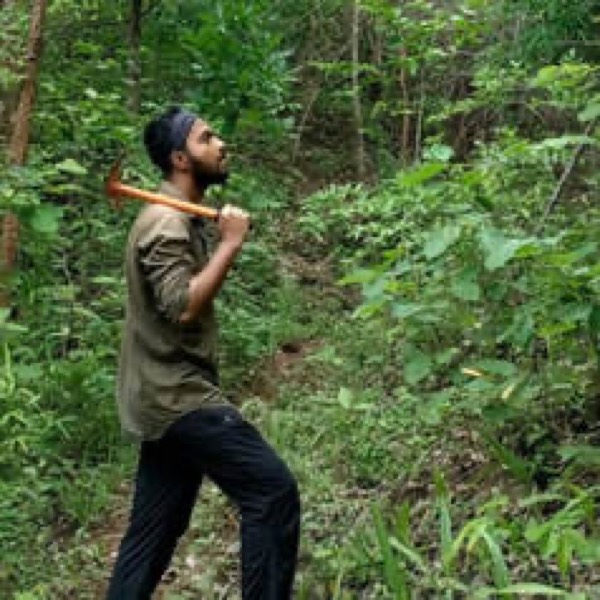
Aritra Biswas
Now: Postdoc, Tel-Aviv University, Israel
Studied the systematics, evolution and biogeography of endemic Indian fauna, with a focus on mygalomorph spiders.
Master's students03 members
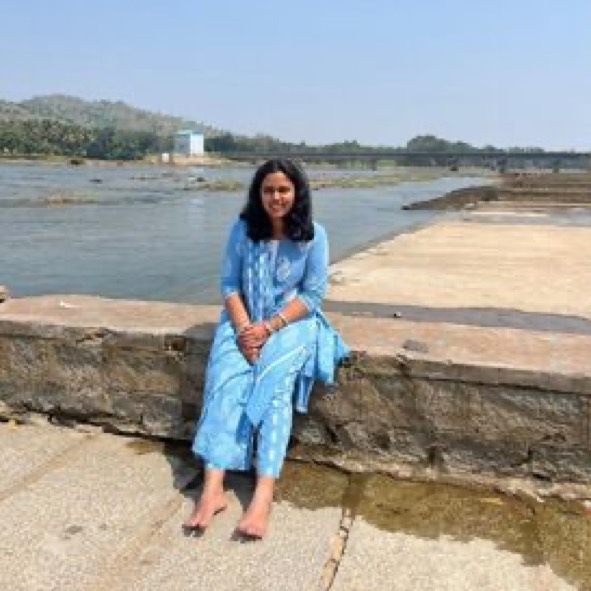
Bhuvana Prakash
Worked on the comparative phylogeography of Hemidactylus geckos of peninsular India's dry zone, using genomics to test how differing habitat-distribution patterns of three closely related species shape their population and genetic structure.
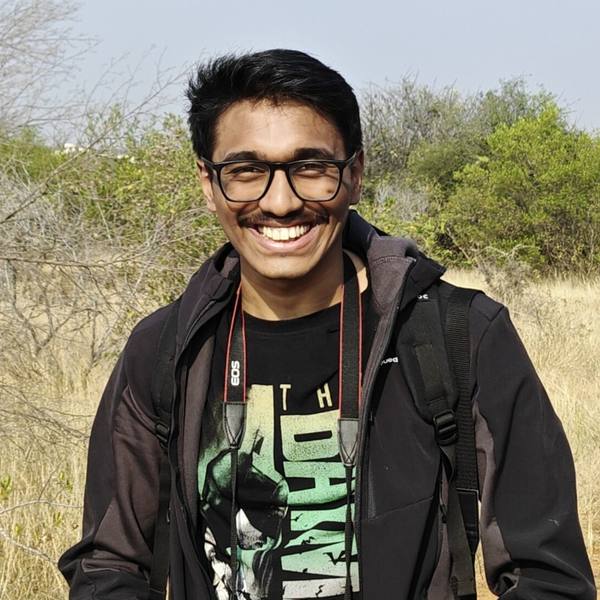
Jeevak Shravasti
Studied the evolution of sexual signalling in the family Agamidae, examining visual, chemical and multimodal signalling in relation to habitat openness.
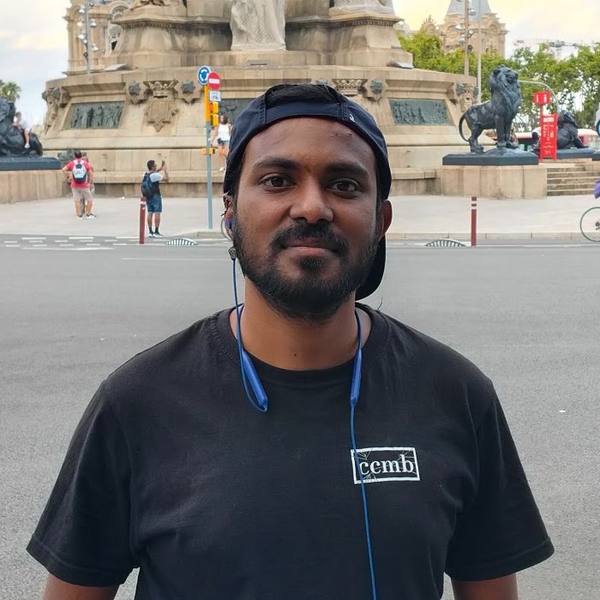
Pragyadeep Roy
Now: Pursuing a PhD at CCMB, Hyderabad
Worked on delimiting cryptic species within the Indotyphlops braminus species complex.
Undergraduate students03 members
Sharwary M R
Now: Pursuing a PhD at UC Davis
Researched the population demography and genetic structure of Himalayan langurs across Himalayan rivers using microsatellites, examining how geographical barriers such as rivers shape the demographic history of these wide-ranging colobine primates.
Aranya Dhibar
Now: Pursuing a PhD at UT Austin
A BS-MS student collecting and analysing molecular data from the Indian flying lizard (Draco dussumieri) to investigate its evolution; interests span ecology, evolution and multi-omics.
Jeet Vora
Now: Pursuing an MS at IISc
Worked on trait-dependent dispersal and trait evolution in gekkonid lizards.
Interns02 members
Sarbajit Pathak
Studied the phylogeny and biogeography of Poecilotheria tarantulas; runs the Spooder Project documenting spiders.
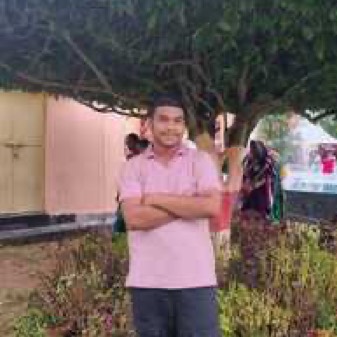
Rudra Pratap Swain
Worked on hybridisation, parthenogenesis and triploidy in Indotyphlops braminus, using karyotyping and flow cytometry.
Research staff09 members
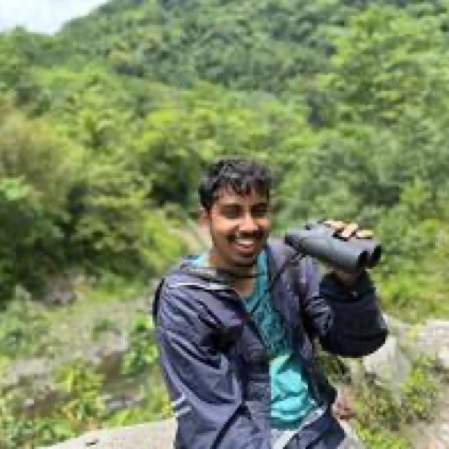
Ekadh Ranganathan
Now: Pursuing an MS at Imperial College London
Worked on an independent project on divergence discordance and substitution saturation in tetrapod phylogenies.
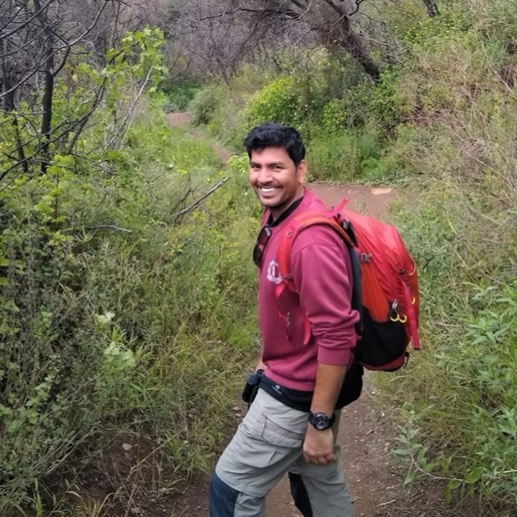
Kunal Arekar
Now: Lecturer, University of Arizona, USA
Studied the phylogenetic position and origin of the capped–golden langur lineage (testing ancient hybridization between Semnopithecus and Trachypithecus against climatic models), and resolved Himalayan langur taxonomy using morphological, ecological and molecular data from Kashmir to Bhutan.
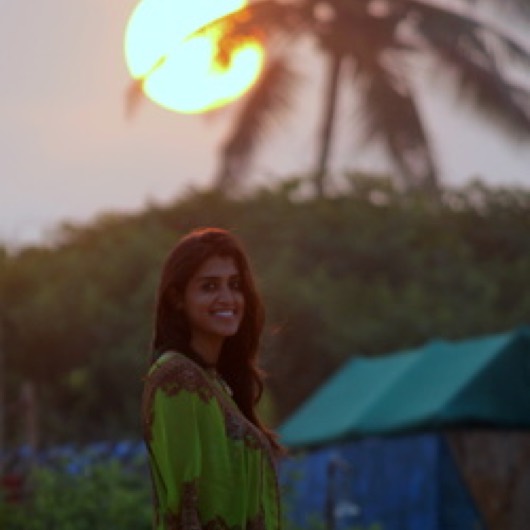
Anjali Verma
Studied reptile ecology in Hemidactylus geckos, examining the morphological characters that enable adaptation to different ecological niches across cryptic Indian species.
Chetan Nag K.S.
Now: Associate Professor, Jain University
Senior Research Fellow on a DBT project delimiting species boundaries in the Hanuman langur (Semnopithecus entellus), combining morphological, ecological and behavioural data to identify at least four distinct morphotypes in peninsular India.
Ashalakshmi C.N.
Now: Lecturer, CMS College Kottayam
Applied conservation genetics to a DBT-funded Hanuman langur project, using mitochondrial and nuclear markers from non-invasive DNA sources to determine species status.
Rekha Warrier
Interested in the effects of habitat alteration and degradation on the genetic structure of populations; explored the phylogeography of the centipede genus Rhysida in India.
Kartik V. Rao
Now: Assistant Professor, Mount Carmel, Bangalore
Worked on the DNA barcoding of satyrine butterflies.
Manjunatha Reddy
Identified satyrine butterflies through DNA barcodes, sequencing mitochondrial COI and nuclear markers from 31 peninsular Indian species to resolve their taxonomy and detect cryptic species.
Bhavani S.
Looked after the lab's accounting and administration.
There's room on the tree for you.